
Online coaching marketing: video strategy for trainers
Online coaching marketing from the audience’s perspective: a 70/20/10 video plan, personal trainer advertising, short CTAs and measurable enquiries.
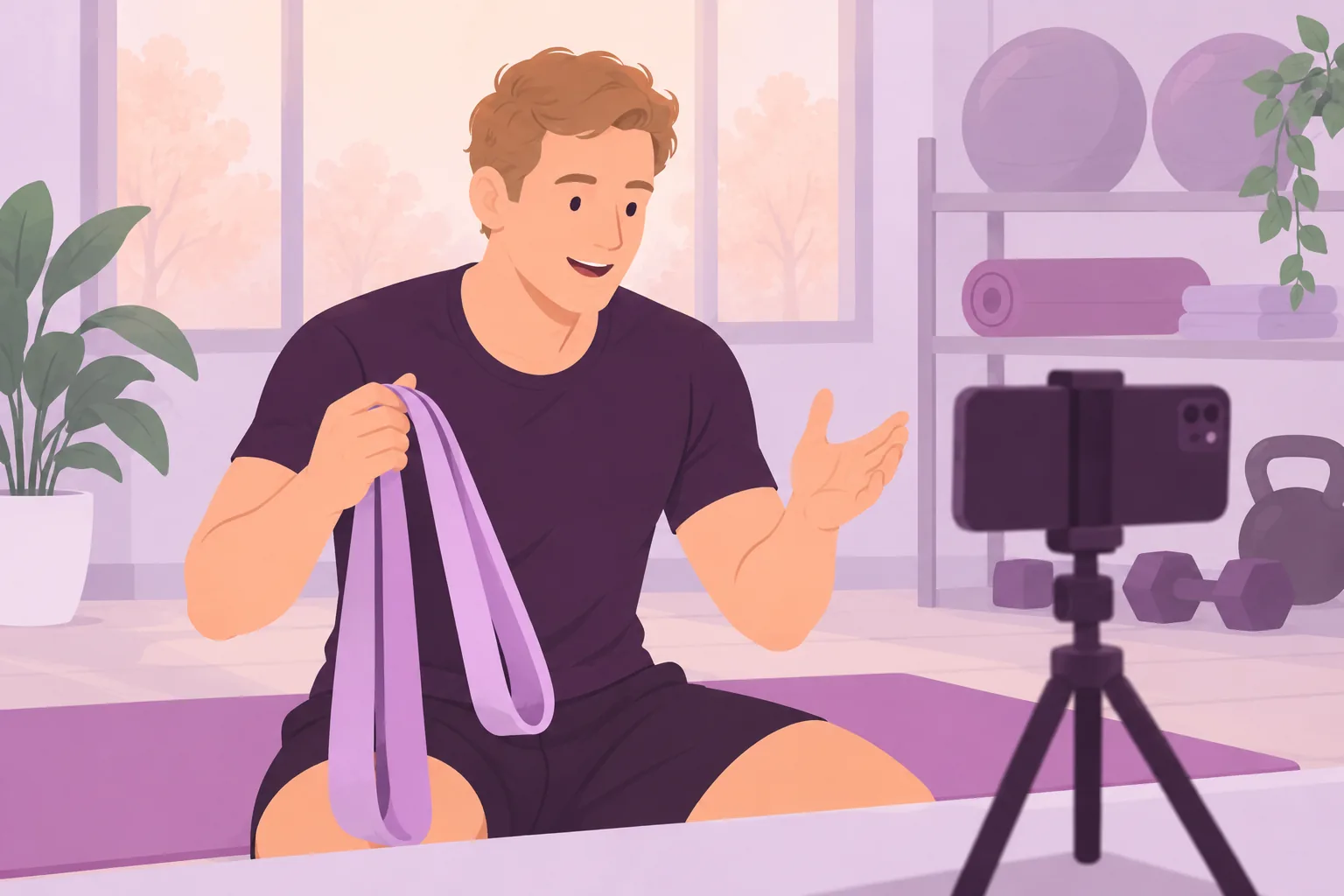
Think from your audience’s perspective
Coaches can easily make videos that mainly interest other coaches. Technical debates, insider gym humour and complex terminology may dominate while prospective clients fail to recognise their own situation. Before recording, ask whom the video serves, which everyday problem it addresses and why that audience would watch.
For desk workers returning to exercise, missing a workout after a demanding day may feel familiar. Turn that into a humorous scene, short story or practical suggestion. The approach begins with the client’s life. Not every piece needs to teach: recognition and trust also help a relationship develop.
70%: discoverable, relatable content
As an initial planning ratio, let around 70% of videos aim for broader reach among relevant people. Formats include funny situations, memes, short stories and shareable observations from your audience’s daily life. Broad reach is useful when it attracts people for whom your service could later be relevant.
For example: “When you were sure you would train after work, then opened your inbox.” Or show a beginner trying to find their first exercise at the gym. Aim humour at the situation rather than mocking someone’s body or difficulty. Help the audience recognise themselves and feel understood.
This ratio is neither an algorithm rule nor a proven universal optimum. It is an initial editorial framework you can adapt using your results. A funny video that produces views but only irrelevant followers may not help your business. Your topics and offer should address the same person.
20%: show why your expertise matters
Around 20% of videos can focus on positioning. Show how you think, make decisions and work with your audience. Use brief education, case studies, testimonials or explanations of planning choices. Avoid packing every technical detail into one video: answer one understandable question at a time.
For example, explain how you turn an intended five-session schedule that is rarely followed into three manageable workouts. Show what information you gather before nutrition guidance, or why you keep exercises from a reference plan. Explain the client benefit rather than simply demonstrating technical vocabulary.
In client stories, explain the starting point, process and change achieved. A 30–60 second testimonial in the client’s own words can complement your explanation. Obtain permission, describe circumstances honestly and make clear that one person’s experience is not a promised outcome for every applicant.
10%: explain your service directly
Use the remaining roughly 10% to directly present your offer, a starter programme or a new package. Explain the audience, problem, delivery and application process. Sales content should provide information that helps a suitable prospect decide whether to take the next step, rather than just generate excitement.
For example: “I have created an eight-week starter programme for busy people returning to exercise, with two weekly sessions and regular feedback. Find the details and application in my bio.” Mention limited places or deadlines only when they are genuine. Long-term credibility matters more than a constantly restarting last chance.
Use a short call to action at the end
All three types can end with an approximately five-second CTA: a clear next step. Reach content might say, “Follow for help building an exercise routine around a desk job.” Educational content might say, “Read about my approach and coaching in my bio.” Sales content can say, “Apply through the link in my bio.” Choose one main action per video.
Connect the CTA to what the viewer just watched. Switching to a different audience or service after each video breaks continuity. Check your bio link on mobile and make the destination clear immediately. A brief CTA cannot replace useful content, but it helps viewers who are ready to act.
Plan and measure a month of content
Start with at least three Reels a week and relevant daily Stories, then assess the mix monthly. For ten videos, 70/20/10 means seven reach videos, two positioning videos and one sales video. With twelve videos in a month, avoid treating the ratio as exact arithmetic: eight reach, three professional and one offer video is a practical starting point.
Review reach, shares, saves and profile visits where available, and record actual enquiries too. A professional video with fewer views can be valuable if it brings a suitable client. At monthly reviews, look beyond repeating your most successful joke: identify themes connecting attention, trust and genuine demand for your service.
Show how an online coaching app supports your service
Your professional videos can show how coaching works through an online coaching app: where a client receives their workout, logs performance and gets your response. This makes personal trainer marketing more concrete by showing support in practice. A fitness app demonstration should explain a clear client benefit rather than just list features.
Related app and workflow
An online coaching app for working together
Official background reading
Meta: Instagram Best Practices guide
Related guides
Personal trainer marketing: audience and niche selection
Personal trainer marketing on Instagram: set up your profile